
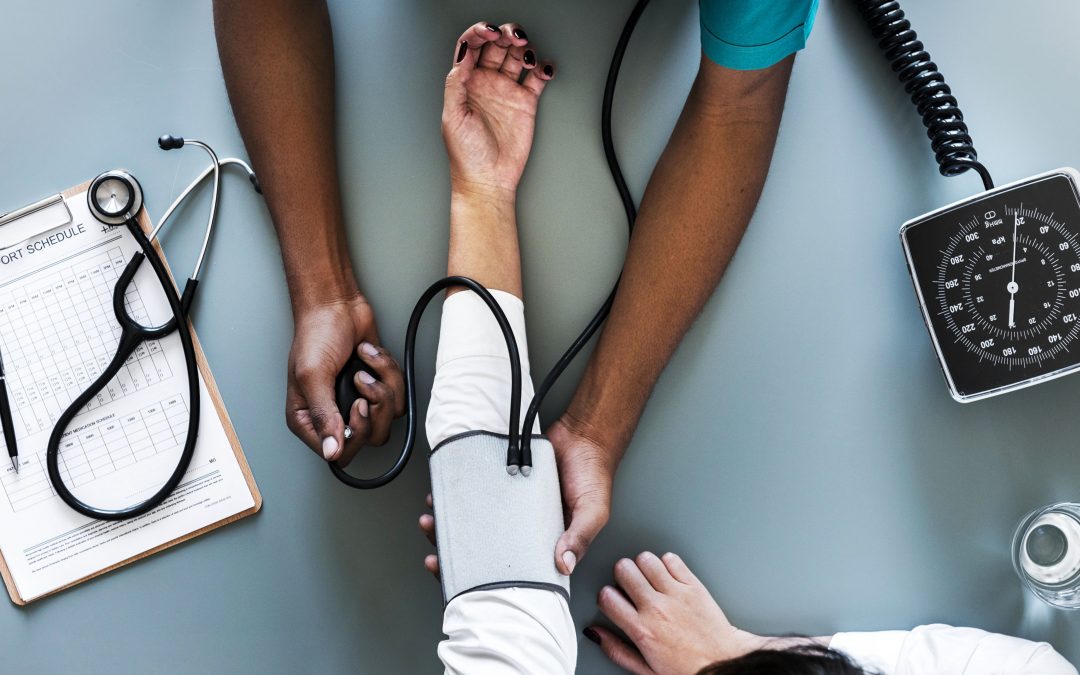
High blood pressure, or hypertension, is a serious health condition that can lead to stroke, heart attack, and other medical complications. Many people experience an increase in blood pressure at some point in their lives, but for some, it can be a chronic problem. If you are experiencing an increase in your blood pressure, there are a few potential causes you should consider.
Stress:
Stress is a major contributor to high blood pressure. When you’re feeling stressed, your body reacts by releasing hormones such as cortisol and adrenaline, which can cause your blood pressure to rise. It is important to find ways to manage and reduce your stress levels, such as exercising, meditating, or talking to a therapist.
Poor diet:
Eating a diet high in sodium, saturated fats, and processed foods can lead to an increase in blood pressure. To prevent this, focus on eating a balanced diet that includes plenty of fruits, vegetables, and lean proteins. Avoiding high-sodium foods, such as processed snacks and fast food, is also recommended.
Lack of exercise:
Regular physical activity can help keep your blood pressure in check. Exercise helps your heart pump more efficiently, which can reduce your blood pressure. Aim for at least 30 minutes of moderate exercise, such as walking or jogging, each day.
Smoking:
Smoking is one of the leading causes of high blood pressure. Nicotine and other chemicals in cigarettes can narrow your blood vessels, which can increase your blood pressure. If you are a smoker, it is important to quit as soon as possible to protect your health.
Certain medications:
Some medications, such as birth control pills and decongestants, can cause an increase in blood pressure. Talk to your doctor if you are taking any medications that could be contributing to your high blood pressure. They may be able to prescribe an alternative medication or adjust your dosage.
If you suspect that your blood pressure is increasing, it is important to consult your doctor for a proper diagnosis and treatment. In the meantime, make sure to follow a healthy diet, exercise regularly, and avoid substances such as tobacco. With the right lifestyle changes, you can manage your blood pressure and reduce your risk of developing serious health complications.